Exterior Painting
Why Peeling Exterior Paint Should Not Be Ignored
Peeling paint is an open door. What matters is how long it has been open.
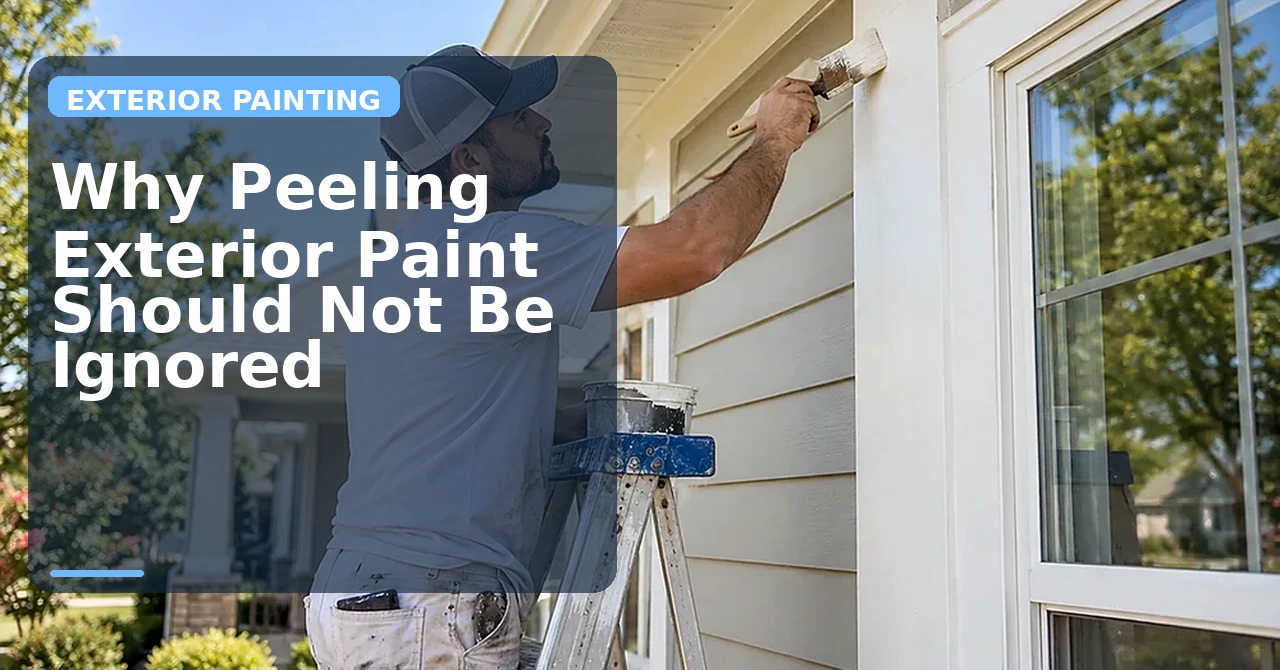
Peeling paint means the barrier between weather and wood has failed. Water now reaches the substrate directly, and in Central Mississippi humidity that leads to swelling, rot and, in trim and fascia, structural repair. The cost of fixing it grows every season it is left.
What Peeling Is Telling You
Paint peels for a reason, usually moisture behind the film, a surface that was not prepped, or a coating that has simply reached the end of its life. All three point the same direction: the surface is no longer sealed.
The Cost Curve
A repaint over sound wood is a painting job. Once wood has been wet through a season or two, the same job becomes scrape, repair, replace, prime and paint. Fascia and window trim are the worst cases, because water there tracks into places nobody sees until the damage is done.
Where Peeling Usually Starts
Look at the details before the fields of siding:
- Bottom edges of window and door trim
- Fascia below a gutter seam or overflow point
- Porch boards, columns and railings
- Horizontal surfaces where water sits
- Any wall that gets splash-back from concrete
Fixing the Cause, Not Just the Paint
If peeling is concentrated under a gutter joint, painting it again will produce the same result. Sort out where the water is coming from first, gutter repair, a downspout extension, trimming back growth that keeps a wall damp, then paint. Exterior painting done in that order lasts.
Paint Failure Usually Starts Before the Finish Coat
Exterior paint lasts when the surface beneath it is clean, dry and stable. Peeling, chalking, mildew, failed caulk and soft wood are preparation problems before they are color problems. Covering them with a new coat can make the house look improved for a short time, but the same failure often returns because the new paint never had a sound surface to grip.
Mississippi heat and humidity make dry time especially important. Washing and painting too close together can trap moisture. Painting in direct afternoon heat can make a coating skin over too quickly. A good schedule gives prep work enough time instead of treating it as something to squeeze in before color goes on.
What Should Be Included in Exterior Prep
Prep is where quotes can look different. Ask what the painter is actually allowing time to repair and prepare, not simply how many coats are listed.
- Cleaning the surface and allowing it to dry fully
- Scraping or sanding loose and failing paint where needed
- Repairing open caulk joints and obvious minor defects before coating
- Priming bare or repaired areas when the surface requires it
- Protecting windows, roofing, landscaping, fixtures and adjacent finishes
What Makes Two Painting Quotes Look So Different
The difference is often prep, access and detail rather than the paint brand. One estimate may include washing, scraping, caulking, spot priming and protection while another assumes the surface is ready for coating. Count the steps, the surfaces and the repair allowances before comparing the final number.
Ask how unexpected soft wood or failed trim will be handled once prep begins. Exterior projects sometimes reveal defects hidden by loose paint, and it is better to agree on an approval process before the work is underway.
Repaint Now or Keep Watching?
Fading alone can be cosmetic. Widespread peeling, open joints, bare wood, persistent chalking or paint that no longer sheds water are stronger reasons to act. Catching failure while it is still mostly a coating problem is cheaper than waiting until the material underneath needs replacement.
Walk the sunny and shaded sides separately. Sun-facing trim often fails from heat and UV exposure, while shaded walls can hold moisture and organic growth. One side of the same house can need attention before the others.
Paint Performance Starts Before the First Finish Coat
For “peeling exterior paint causes,” separate coating failure from surface failure. Fading is largely cosmetic; peeling, blistering, soft wood, open joints and recurring mildew point to prep or moisture conditions that must be corrected first. New paint cannot make unstable material stable.
Prep usually includes washing, drying, scraping loose coating, sanding hard edges, repairing or replacing failed substrate, caulking appropriate joints and spot-priming bare or stained areas. The exact sequence changes with the siding and the existing coating.
- Siding and trim material plus current coating condition
- Amount of peeling, chalking, bare wood or caulk failure
- Height, access and landscaping around the work area
- Color change, number of coats and repairs required before paint
Weather Windows Matter in Central Mississippi
Heat, humidity and rain affect washing, drying, primer and finish-coat timing. A wall can look dry while joints and shaded areas still hold moisture. On the other hand, painting a sun-baked surface can shorten open time and make application harder to control. A realistic project schedule leaves room for prep and weather instead of treating every dry hour as a painting hour.
Read how Mississippi weather affects exterior paint and how washing fits into paint preparation. Our residential exterior painting service connects those steps into one scope.
What a Useful Exterior-Painting Quote Should Identify
A quote should identify the surfaces included, prep assumptions, repair allowances, primer needs, coating system and the number of finish coats rather than only giving a total. Photos of every elevation and close-ups of damaged areas help, but an on-site look is valuable when wood condition, height or access is unclear.
For a real property, the right answer comes from the condition in front of you, not from forcing a national rule onto a Mississippi home. Photos, dimensions, access and the last service date are often enough to turn a vague question into a useful scope.
Inspect the Finished Coating Only After It Has Settled
Fresh paint can look different as it dries, so final inspection should focus on coverage, clean transitions, repaired prep areas and whether previously bare or damaged spots received the right primer and finish system. Look from normal viewing distance first, then check the high-risk details: lower trim, joints, window edges, fascia and surfaces that previously peeled.
Keep the color and product information with your property records. If one elevation weathers faster than the others, that history helps distinguish normal sun exposure from a recurring moisture or substrate problem the next time the exterior is inspected.
Frequently Asked Questions
Can I just paint over peeling areas?
No. The new coat bonds to the failing layer and comes off with it. The loose material has to be removed first.
How quickly does exposed wood get damaged?
Faster in shade and humidity than in dry sun. A season of exposure can be enough to soften trim edges.
Related Service and Local Help
If you would rather have the work handled, see our residential exterior painting services. For local scheduling and property notes, review service options in Vicksburg, MS. Continue with Signs Your Home Exterior Needs Repainting. Continue with How a Home Exterior Gets Prepared for Painting. A connected property-care topic is Should You Pressure Wash a House Before Exterior Painting?. Browse all property-care guides or Central Mississippi service areas for the next step.
Keep Reading
Related Property Care Articles

Signs Your Home Exterior Needs Repainting
Paint fails in stages. The first two are cosmetic, the last two are structural.
How a Home Exterior Gets Prepared for Painting
The paint is the easy part. Eight prep steps decide whether it lasts.

How Mississippi Weather Wears Down Exterior Paint
Sun, humidity, movement and rain, four different mechanisms, four different failure patterns.